OpenSpace OpenSpace
  • About
    • About OpenSpaceThe project, its origins, and the institutions behind it
    • TeamThe people behind the OpenSpace project
    • PartnersThe organizations collaborating with the OpenSpace project
    • ImpactGlobal reach, startup data, and NASA annual reports
    • ResearchMaster’s theses and dissertations from the LiU program
    • Branding & LicensingLogos, open-source license, and crediting guidelines
  • Features
    • Globe BrowsingReal planetary surfaces from spacecraft mission data
    • Mission VisualizationsFly with New Horizons, JWST, Rosetta, and more
    • HeliophysicsSolar wind, CMEs, and magnetosphere visualization
    • Versatile Display SupportDomes, multi-projector walls, and networked sessions
    • CatalogsExoplanets, galaxy surveys, quasars, and the Digital Universe Atlas
  • Community
    • Use CasesExamples of how institutions use OpenSpace
    • EventsUpcoming events and conferences
    • User MeetingsBuild your skills and connect with users at our user meetings
    • SlackAsk questions and share ideas with the OpenSpace community
    • ContactSend a message or get support from the team
    • ContributeSee how you can contribute to the project
  • Resources
    • DocumentationGetting Started guide, configuration, and API details
    • TutorialsStep-by-step walkthroughs for new users
    • Program GuidesDownloadable scripts for planetarium and museum programs
    • InternshipsHigh school, undergraduate, and graduate internship programs built around OpenSpace
    • HubCommunity-shared assets, profiles, and content
    • Server StatusLive uptime for OpenSpace data services
  • Download

Scientific catalogs, rendered as explorable data

Features › Catalogs

From confirmed exoplanets to the cosmic microwave background, OpenSpace plots scientific catalogs in context of the universe.

How it works

Scientific catalogs

Every point is backed by data pulled from NASA archives and international sky surveys.

True positions in 3D space

Each object sits at its measured distance and position, so you can explore datasets in their simulated environment.

Toggle live during a presentation

Turn any catalog on or off, adjust marker size and color, and blend multiple datasets live or add your own data to explore.

Catalogs
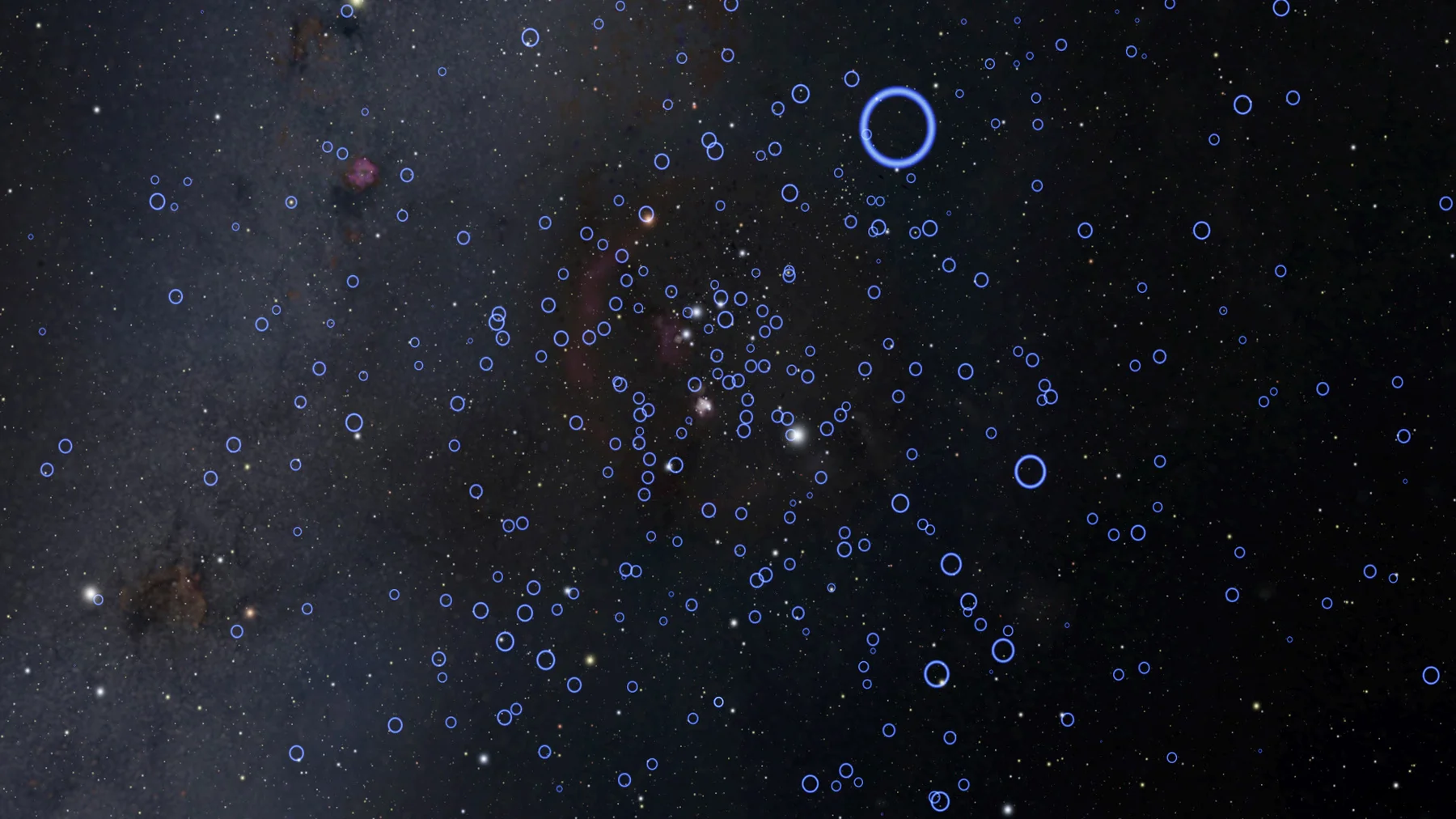
Confirmed exoplanet host stars marked in the Milky Way, rendered in OpenSpace
01 Exoplanets

Exoplanets

NASA Exoplanet Archive · 5,000+ confirmed worlds

Every confirmed exoplanet plotted around its host star, updated from the NASA Exoplanet Archive. Multi-planet systems are marked, and the narrow cone of the Kepler field reveals just how many worlds a single patch of sky can hold.
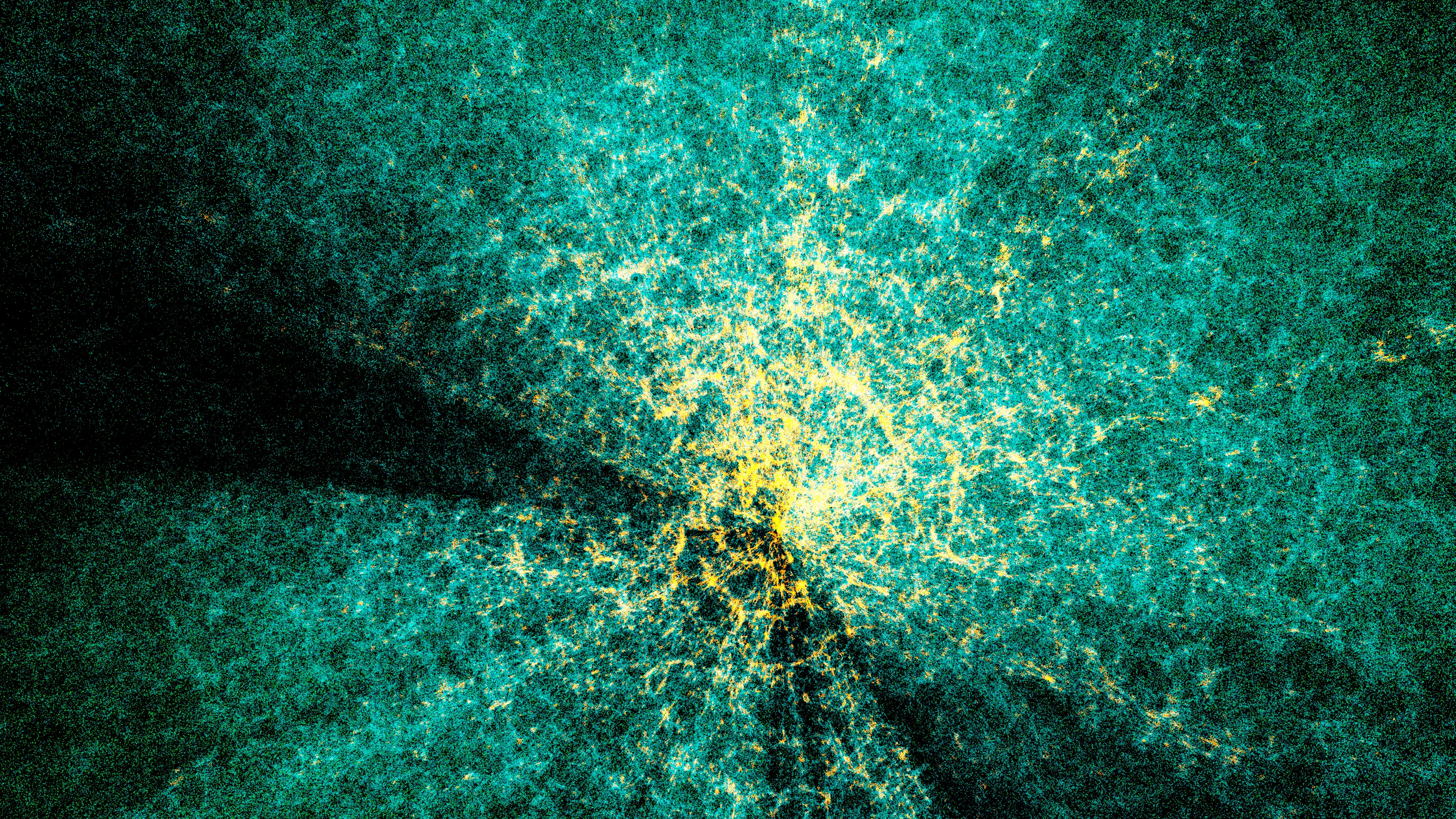
Sloan Digital Sky Survey galaxy catalog rendered in OpenSpace, showing the cosmic web
02 Digital Universe

Digital Universe Atlas

Tully Galaxy Catalog · 2dF · Sloan Digital Sky Survey

Deep sky surveys plotting hundreds of thousands of galaxies in three dimensions, from the nearby Tully catalog out through 2dF and the Sloan Digital Sky Survey — revealing the cosmic web of clusters, filaments, and voids.
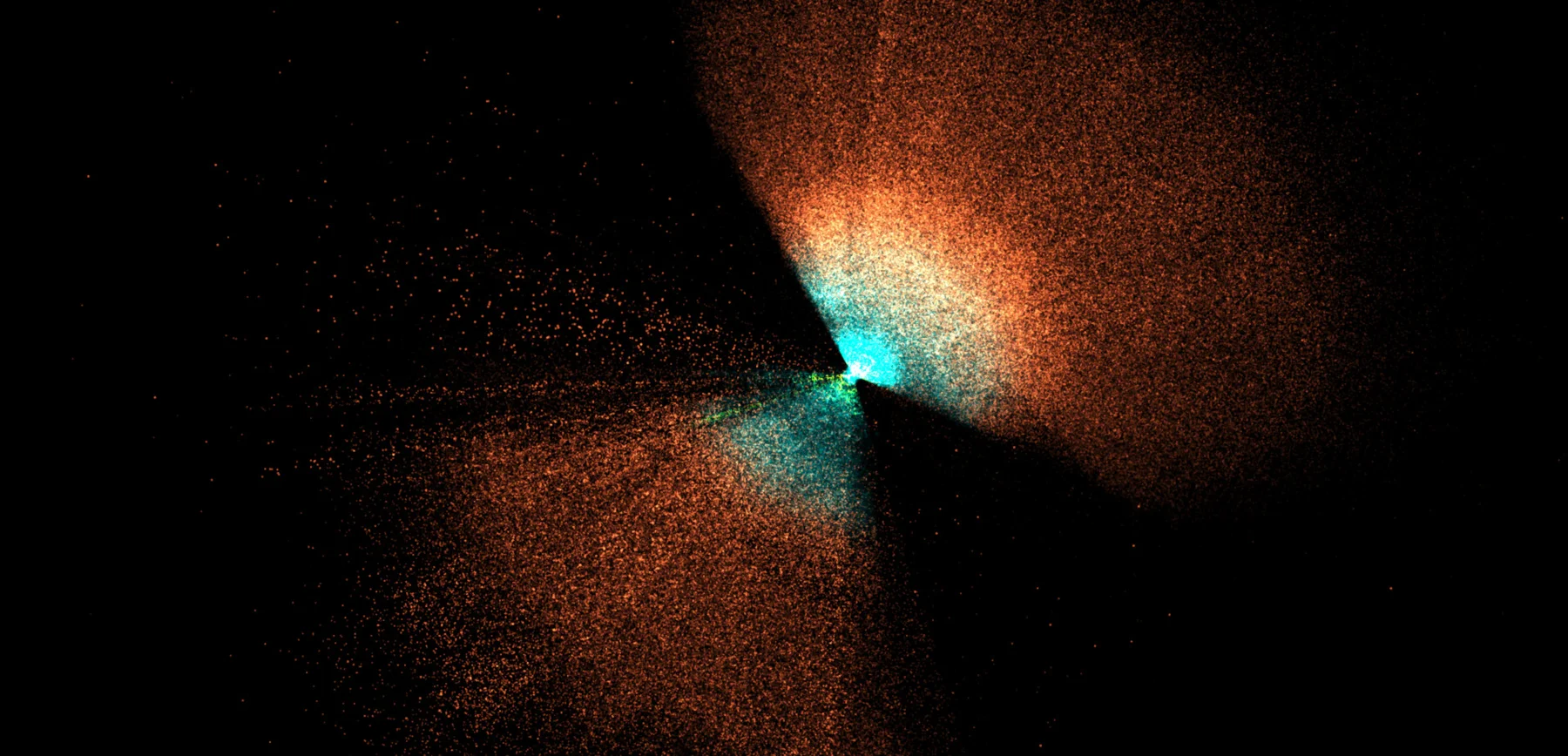
Half a million quasars rendered in OpenSpace, mapped to the edge of the observable universe
03 Deep Field

Quasars

Half a million active galactic nuclei

A catalog of the most distant, luminous objects we can see — supermassive black holes actively feeding on infalling matter, mapped out toward the edge of the observable universe.
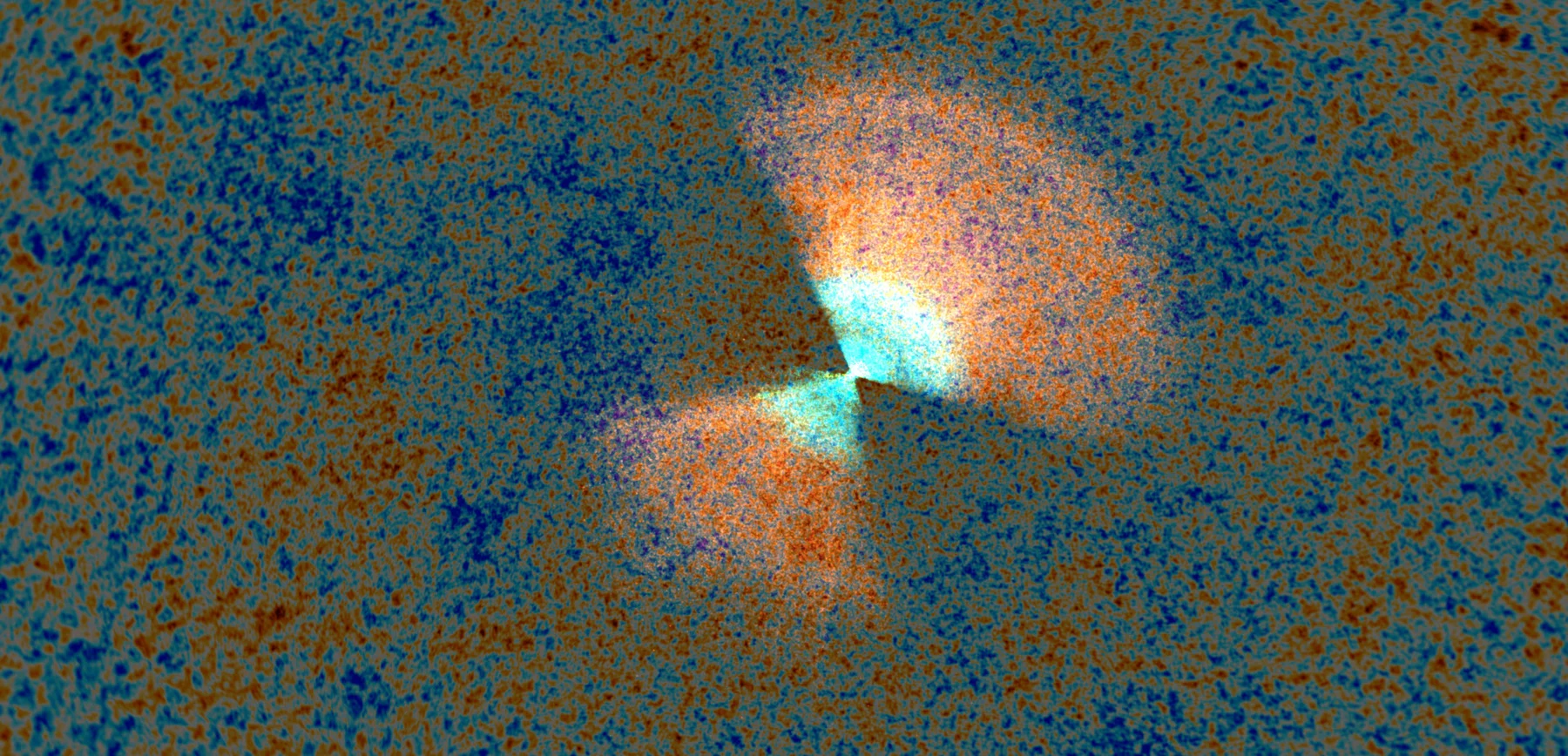
Planck all-sky map of the cosmic microwave background, rendered in OpenSpace
04 Planck

Cosmic microwave background

The universe's oldest light · 13.8 billion years old

The Planck mission's all-sky temperature map of the radiation released 400,000 years after the Big Bang — the seed fluctuations that grew, by gravity, into today's galaxies and clusters.
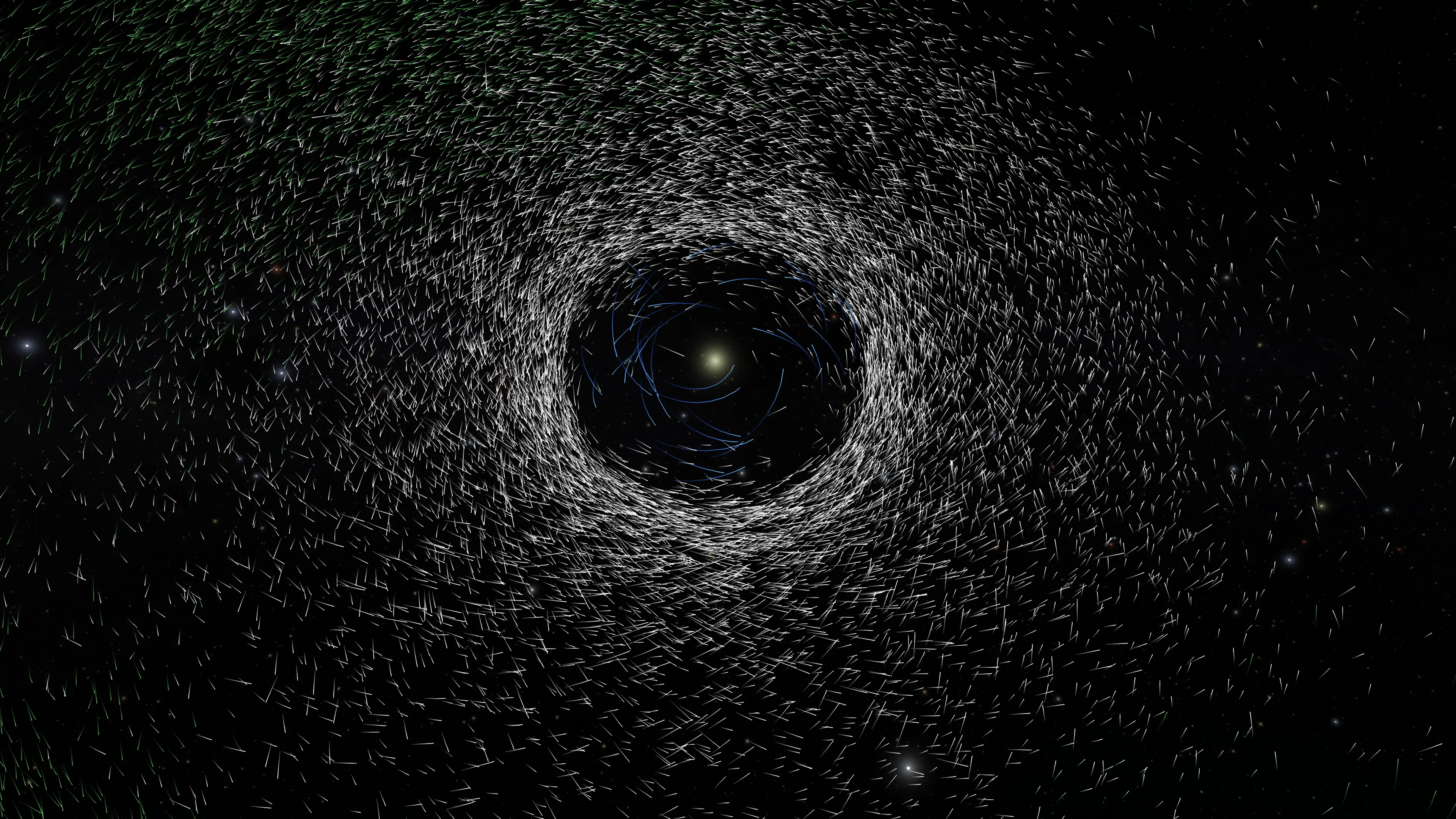
Asteroid and comet trajectories near Earth rendered in OpenSpace
05 Small Bodies

Asteroids & comets

JPL Small-Body Database · Minor Planet Center

Orbital data for hundreds of thousands of asteroids and comets, rendered as true trajectories through the Solar System — including near-Earth objects and every famous named comet.

No matching items

Start exploring the catalogs

Every catalog listed here ships with OpenSpace. Download it free and explore them in the defauly profile.

Download OpenSpace Documentation
OpenSpace

Open-source astronomy visualization

Stay in our orbit

A few quick questions — all optional

You're subscribed!

Check your inbox for a confirmation email.

About
  • About OpenSpace
  • Team
  • Partners
  • Impact
  • Research
  • Branding & Licensing
Features
  • Globe Browsing
  • Mission Visualizations
  • Heliophysics
  • Display Support
  • Catalogs
Community
  • Use Cases
  • Events
  • User Meetings
  • Slack
  • Contact
  • Contribute
Resources
  • Documentation
  • Tutorials
  • Program Guides
  • Internships
  • Hub
  • Server Status
Install
  • Version 0.22.0
  • Previous Versions
OpenSpace
Status unavailable
© OpenSpace Project Team Available under the MIT License